Sri Chidambaram Garu Review
Suggestions
Can watch again
No
Good for kids
No
Good for dates
No
Wait for OTT
No
Authentic cinema doesn't always need to be grand. It may not even be commercially viable. But it definitely stands the test of time and has a universal appeal. For example, how many of you know about the 1989 TV movie In Which Annie Gives It Those Ones by Pradip Krishen? This film was recently remastered in 4K and re-released, having developed a cult status in India over the past 36 years.
Sri Chidambaram Garu is one such Telugu social drama film. It is so grounded and so well-made that it feels unlike any other Telugu movie. Sadly, for now, it has largely gone unnoticed. The reasons are many: a shoestring budget, little publicity, no well-known cast and a mostly new crew. It may not even break even despite the low budget, but it has certainly defied Tollywood conventions.
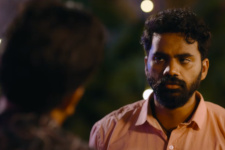
Solomon (Vamsi Tummala) is mockingly called Chidambaram Garu (after Kallu Chidambaram) because of his squint. Ashamed of his appearance, he constantly wears dark goggles to hide it and avoid ridicule. His family has meagre means and is already burdened with debt. When his father succumbs to financial strain and dies by suicide, Solomon drops out of school and begins working as a construction labourer.
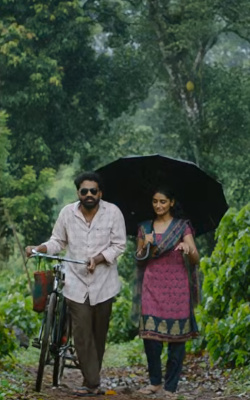
He has feelings for Leela (Sandhya Vasishta), and she feels the same. Yet neither of them dares to speak their heart out. His squint often complicates situations, and their emotions remain unspoken. Eventually, Solomon makes a critical and dangerous decision that changes his life forever.
For the first time, you will experience a Telugu movie that deliberately understates itself from the very beginning. If you're a regular viewer of Telugu or Tamil films, you must have noticed a familiar pattern that loudly announces their roots. There's the stylised credit roll for the cast and crew (sometimes bordering on cringe, especially when the lead actor is a star), an unnecessary spectacle at the start to thrill the audience, exaggerated build-ups, staged tensions, flashy camera work and heavy VFX - it often feels like the movie is constantly shouting, "Come, watch me".
This film has none of those tropes. And that absence registers loud and clear. In fact, it creates a sense of novelty and makes the movie feel more profound.
Let me explain. If you've watched enough European cinema, you may have noticed that some films still use black-and-white sequences. When you analyse them, you realise the filmmaker is trying to convey something powerful - so powerful that anything extra, like elaborate visuals, sound effects, colour treatment or rapid motion, would only distract.
Likewise, the maker of this Telugu film focuses squarely on Solomon's journey - from hiding his true self, to confronting his insecurities, and ultimately letting go. It's a quiet, deep realisation that nothing matters more than making peace with oneself.
The narrative is filled with moments of personal struggle, helplessness, romance and the monotony of daily life. Some of these moments may feel like déjà vu. However, authenticity is the key here. The scenes are so real and grounded that even the mundane ones resonate as if they were entirely new.
In terms of performances, Tummala stands out. He perfects the gestures and expressions of a squint-eyed person so convincingly that anyone unfamiliar with his earlier films might assume he has had the condition all his life. Beyond the story-appropriate look, he also acts exceptionally well, as though he has truly lived the character.
Vasishta, as Leela, also justifies her casting. Together, Tummala and Vasishta beautifully represent the typical Christian community of the Rajahmundry-Godavari region. You'll also appreciate the supporting cast and the director's effort to chronicle the entire community - Solomon, Leela, their parents, fellow villagers, their well-wishers, and even the naggers.
Ironically, the lack of technical polish becomes the film's strength. Despite minimal camera work, the visuals feel elevated purely because of the thoughtfully chosen locations, most of which are in Rajahmundry. Whatever the camera captures looks stunning, lush and quietly captivating - so much so that you might actually search for these places on Google. At times the editing feels rough rather than sleek, yet it somehow adds to the charm. It's like those wilderness survival shows where nothing much happens for minutes, but you still can't look away.
The background score isn't particularly memorable, but it doesn't weaken the film's impact. The songs, too, are passable - pleasant but not lasting.
Despite having a thin plot, the movie turns into a deeply moving tale. The casting, the execution and the story make a superb organic whole that impresses you even without trying to do so. Tollywood badly needs more films like this, and this one certainly deserves your money.
Sri Chidambaram Garu is one such Telugu social drama film. It is so grounded and so well-made that it feels unlike any other Telugu movie. Sadly, for now, it has largely gone unnoticed. The reasons are many: a shoestring budget, little publicity, no well-known cast and a mostly new crew. It may not even break even despite the low budget, but it has certainly defied Tollywood conventions.
Solomon (Vamsi Tummala) is mockingly called Chidambaram Garu (after Kallu Chidambaram) because of his squint. Ashamed of his appearance, he constantly wears dark goggles to hide it and avoid ridicule. His family has meagre means and is already burdened with debt. When his father succumbs to financial strain and dies by suicide, Solomon drops out of school and begins working as a construction labourer.
He has feelings for Leela (Sandhya Vasishta), and she feels the same. Yet neither of them dares to speak their heart out. His squint often complicates situations, and their emotions remain unspoken. Eventually, Solomon makes a critical and dangerous decision that changes his life forever.
For the first time, you will experience a Telugu movie that deliberately understates itself from the very beginning. If you're a regular viewer of Telugu or Tamil films, you must have noticed a familiar pattern that loudly announces their roots. There's the stylised credit roll for the cast and crew (sometimes bordering on cringe, especially when the lead actor is a star), an unnecessary spectacle at the start to thrill the audience, exaggerated build-ups, staged tensions, flashy camera work and heavy VFX - it often feels like the movie is constantly shouting, "Come, watch me".
This film has none of those tropes. And that absence registers loud and clear. In fact, it creates a sense of novelty and makes the movie feel more profound.
Let me explain. If you've watched enough European cinema, you may have noticed that some films still use black-and-white sequences. When you analyse them, you realise the filmmaker is trying to convey something powerful - so powerful that anything extra, like elaborate visuals, sound effects, colour treatment or rapid motion, would only distract.
Likewise, the maker of this Telugu film focuses squarely on Solomon's journey - from hiding his true self, to confronting his insecurities, and ultimately letting go. It's a quiet, deep realisation that nothing matters more than making peace with oneself.
The narrative is filled with moments of personal struggle, helplessness, romance and the monotony of daily life. Some of these moments may feel like déjà vu. However, authenticity is the key here. The scenes are so real and grounded that even the mundane ones resonate as if they were entirely new.
In terms of performances, Tummala stands out. He perfects the gestures and expressions of a squint-eyed person so convincingly that anyone unfamiliar with his earlier films might assume he has had the condition all his life. Beyond the story-appropriate look, he also acts exceptionally well, as though he has truly lived the character.
Vasishta, as Leela, also justifies her casting. Together, Tummala and Vasishta beautifully represent the typical Christian community of the Rajahmundry-Godavari region. You'll also appreciate the supporting cast and the director's effort to chronicle the entire community - Solomon, Leela, their parents, fellow villagers, their well-wishers, and even the naggers.
Ironically, the lack of technical polish becomes the film's strength. Despite minimal camera work, the visuals feel elevated purely because of the thoughtfully chosen locations, most of which are in Rajahmundry. Whatever the camera captures looks stunning, lush and quietly captivating - so much so that you might actually search for these places on Google. At times the editing feels rough rather than sleek, yet it somehow adds to the charm. It's like those wilderness survival shows where nothing much happens for minutes, but you still can't look away.
The background score isn't particularly memorable, but it doesn't weaken the film's impact. The songs, too, are passable - pleasant but not lasting.
Despite having a thin plot, the movie turns into a deeply moving tale. The casting, the execution and the story make a superb organic whole that impresses you even without trying to do so. Tollywood badly needs more films like this, and this one certainly deserves your money.
SRI CHIDAMBARAM GARU SNAPSHOT
SRI CHIDAMBARAM GARU USER REVIEWS
Be the first to comment on Sri Chidambaram Garu! Just use the simple form below.
LEAVE A COMMENT
fullhyd.com has 700,000+ monthly visits. Tell Hyderabad what you feel about Sri Chidambaram Garu!
MORE MOVIES
Latest Reviews
More Recent Reviews
SEARCH MOVIES
Dissatisfied with the results? Report a problem or error, or add a listing.
ADVERTISEMENT
SHOUTBOX!
{{ todo.summary }}... expand »
{{ todo.text }}
« collapse
First | Prev |
1 2 3
{{current_page-1}} {{current_page}} {{current_page+1}}
{{last_page-2}} {{last_page-1}} {{last_page}}
| Next | Last
{{todos[0].name}}
{{todos[0].text}}
ADVERTISEMENT
This page was tagged for
Sri Chidambaram Garu telugu movie
Sri Chidambaram Garu reviews
release date
Vamsi Tummala, Sandhya Vasishta
theatres list